
Hippocrates, often referred to as the “Father of Medicine,” famously said, “All disease begins in the gut.” Modern research supports this ancient wisdom, highlighting the central role of the gut in maintaining overall health. The gut is not only essential for digestion but also plays a significant role in immune function, disease prevention, and even mental well-being. Let’s explore some expert-backed tips for optimising gut health.
The gut is home to a complex
community of bacteria, estimated to
include between 500 to 1,000 species.
These bacteria weigh between two to
six pounds and perform vital functions, such as producing vitamins, aiding digestion,
and supporting the immune system. A healthy gut microbiome—composed of
friendly bacteria—acts as the body’s first line of defence against disease.
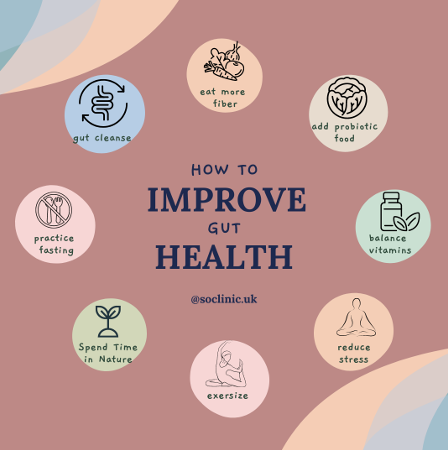
Good gut bacteria thrive on nutritious foods, such as fibre-rich vegetables, whole grains, and
fermented foods. These bacteria can bolster the immune system, improve digestion,
and reduce inflammation. In contrast, junk food, rich in unhealthy fats and sugar, can
harm these beneficial bacteria, compromising the gut’s ability to protect the body.
The foods we eat, the medications we take, and our overall lifestyle choices all have a
direct impact on gut health. Diets high in processed foods, sugar, and unhealthy fats
can substantially alter gut bacteria, often leading to a weakened immune system.
Frequent use of antibiotics, though necessary at times, can also destroy good bacteria,
making room for harmful pathogens to thrive. Gut imbalances may lead to conditions
such as inflammatory bowel diseases, allergies, skin conditions, and mood
disturbances. To support gut health, it’s important to prioritise a balanced diet full of
natural, fibre-rich foods while minimising processed foods and excessive antibiotic
use.
Dr. Bernard Jensen, a pioneer in gut health, emphasised bowel cleansing as a
cornerstone of overall health. He believed that accumulated waste in the intestines
can harbour harmful bacteria, parasites, and yeast like candida. Over time, this waste
can block nutrient absorption, leading to deficiencies and the need for people to
consume more food just to meet their nutritional requirements. Gut cleansing,
through methods such as herbal detox, fasting, or colonic irrigation, can help clear
stagnant waste material and improve digestion. While extreme methods like colonic
irrigation aren’t necessary for everyone, regularly detoxing with natural remedies and
fibre-rich foods can support a healthier gut.
Including prebiotic and probiotic foods in your diet is key to restoring and
maintaining a healthy gut. Probiotic foods like fermented vegetables, kefir, and
yoghurt introduce good bacteria into the gut, while prebiotic foods such as artichokes,
onions, garlic, and asparagus feed these beneficial microbes. Additionally, bitter
foods like dandelion root and artichokes help stimulate digestion and improve liver
function, further aiding gut health. Anti-inflammatory foods like flaxseed oil,
turmeric, and ginger can also help heal a damaged gut lining, reducing digestive
issues and inflammation throughout the body.
Gut health can be significantly disrupted by various harmful substances, including
alcohol, caffeine, smoking, and processed foods. Excessive consumption of these can
lead to inflammation, nutrient malabsorption, and an imbalance of gut bacteria.
Similarly, artificial sweeteners, environmental toxins, and even certain medications
may contribute to gut issues over time. To protect the gut, it is essential to reduce or
avoid these substances and prioritise nutrient-dense foods. Foods rich in vitamin C,
such as berries, citrus fruits, and broccoli, and zinc-rich foods, like pumpkin seeds
and chickpeas, can further support immune function and gut healing.
Interestingly, gut health is also closely linked to emotional well-being. Dr. Edward
Bach observed connections between emotional states and physical illness, noting that
stress and negative emotions can disrupt gut health. For instance, grief, anger, and
shock can manifest in physical symptoms such as digestive issues, skin conditions, or
immune system imbalances. This “gut-brain axis” is now well-recognized in modern
medicine. Managing stress, practising mindfulness, and seeking emotional balance
can contribute to gut health and, by extension, overall well-being.
In addition to dietary changes, regular exercise, dry skin brushing, and sauna therapy
can promote gut health by improving circulation and supporting detoxification.
Staying hydrated with clean water and spending time in nature also enhances the
body’s natural ability to heal itself. Reducing unnecessary medications and opting for
natural remedies whenever possible will allow the body to maintain its own healing
processes without interference.
In conclusion, nurturing your gut health is critical to supporting your immune system
and overall well-being. By focusing on a diet rich in whole foods, avoiding harmful
substances, managing stress, and cleansing your gut regularly, you create an
environment where the body can thrive and heal itself naturally. As Hippocrates said,
“All disease begins in the gut,” and so too does health